
Poor lighting is one of the most overlooked causes of falls among seniors. As vision changes with age, even small lighting mistakes inside the home can significantly increase fall risk. Understanding and correcting these common lighting issues can help seniors move more safely and confidently throughout their living spaces.
These lighting issues often become more dangerous at night, when reaction time is slower and visibility is reduced.
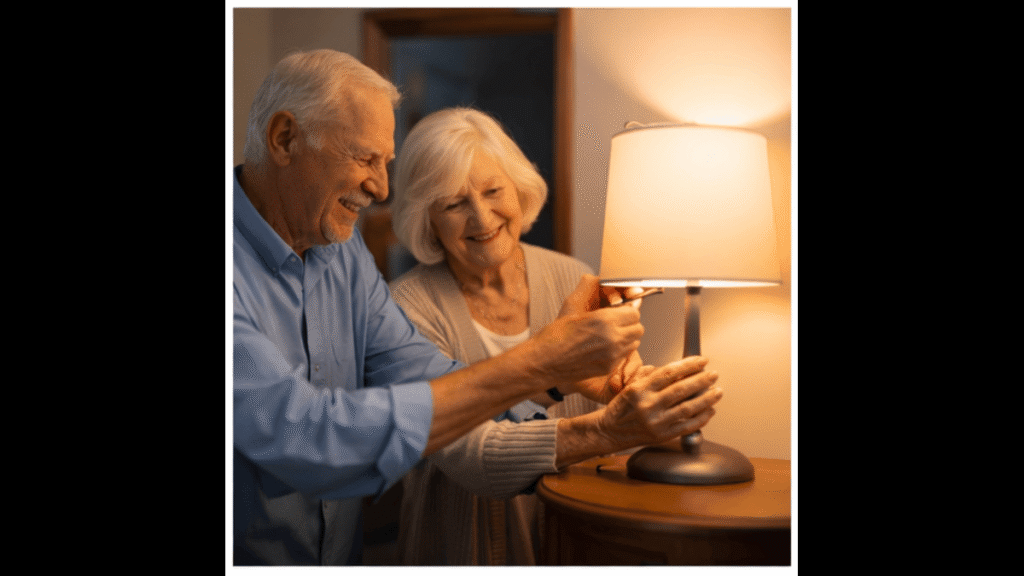
Why Lighting Is Essential for Senior Safety
As people age, vision changes make it harder to see in low-light conditions. Shadows, glare, and uneven lighting can increase confusion and missteps.
Good lighting improves awareness and confidence while moving around the home.
Common Lighting Mistakes in Senior Homes
Some frequent lighting issues include:
- Dim or insufficient lighting
- Burnt-out bulbs
- Inconsistent lighting between rooms
- Glare from overly bright fixtures
- Poorly placed light switches
Identifying these mistakes is the first step toward safer lighting.
Areas Where Lighting Matters Most
Lighting should be carefully planned in:
- Hallways
- Stairways
- Bathrooms
- Bedrooms
- Entryways
These areas often require extra visibility for safe movement.
Improving lighting is especially important in areas where falls are most common, such as bathrooms and bedrooms, as explained in our guide on How to Prevent Slips and Falls at Home for Seniors.
How to Improve Lighting Without Major Changes
Simple improvements include:
- Replacing low-watt bulbs with brighter options
- Adding nightlights in key areas
- Using lamps near seating and beds
- Keeping switches easy to reach
Small adjustments can greatly improve safety.
The Role of Nighttime Lighting
Nighttime lighting is especially important for seniors who wake during the night. Soft, consistent lighting reduces the risk of tripping while moving in the dark.
Nightlights along walking paths are particularly helpful.
How Caregivers Can Help With Lighting Safety
Caregivers can assist by:
- Checking lighting regularly
- Replacing bulbs promptly
- Identifying dark areas
- Encouraging consistent lighting use
Caregiver involvement supports long-term safety.
Home safety specialists often recommend reviewing lighting conditions regularly as part of a fall-prevention routine for older adults.
Frequently Asked Questions
Why does poor lighting increase fall risk?
Low visibility makes it harder to see obstacles and changes in flooring.
Are brighter lights always better?
Lighting should be bright enough without causing glare or discomfort.
Should seniors use nightlights?
Yes, nightlights help improve visibility during nighttime movement.
When should lighting be reassessed?
Lighting should be reassessed if falls occur or vision changes.
Explore more home safety guides:
Conclusion
Avoiding common lighting mistakes can significantly reduce fall risk for seniors. Proper lighting helps improve visibility, confidence, and safety throughout the home.
Related Safety Guides
Improving lighting is just one part of making a home safer for seniors. You can explore these additional guides to further reduce fall risks:
- Learn how to properly set up lighting throughout the home in our guide on home lighting for seniors.
- Discover the best night lights for seniors to improve visibility during nighttime.
- Explore practical ways to prevent slips and falls at home for seniors.
4 thoughts on “Lighting Mistakes That Increase Fall Risk for Seniors”
Comments are closed.