
Home Safety
How to Prevent Slips and Falls at Home for Seniors
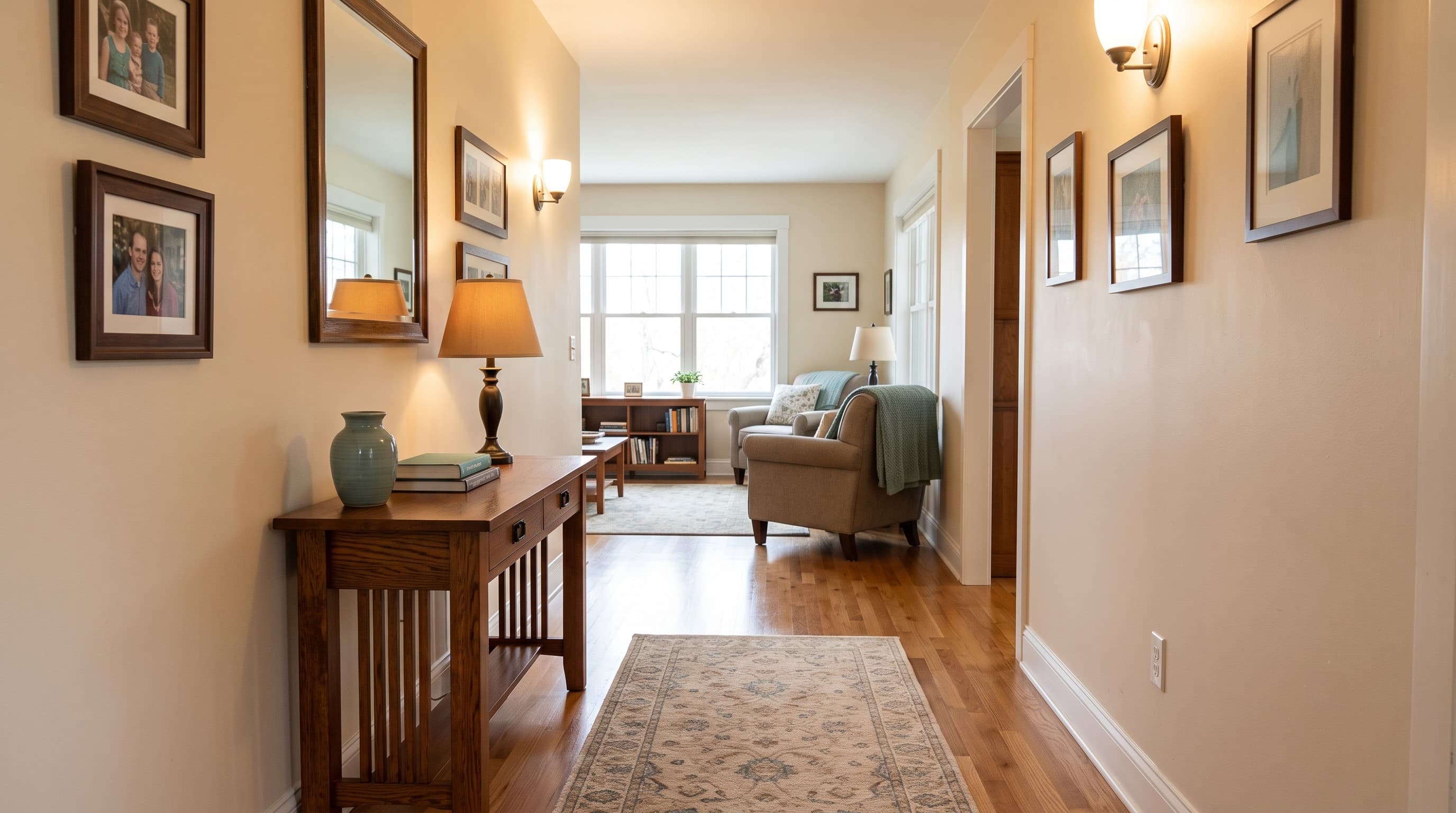
Fall prevention works best as a whole-house strategy rather than a single fix, since most falls happen along a route (bed to bathroom, chair to kitchen) rather than in one isolated spot. This guide walks through that route-based thinking room by room. It is written for adult children, spouses, and caregivers who want clear recommendations without sales pressure or medical jargon. Environment is only half the picture — our fall prevention exercises guide covers the strength and balance side.
Some links may be affiliate links. We may earn a commission at no extra cost to you. See our affiliate disclosure.
Think in routes, not rooms only
Rather than evaluating each room in isolation, it helps to trace the actual paths walked most often during a normal day and night: bed to bathroom, chair to kitchen, front door to living room. A room can look perfectly safe reviewed on its own, but a hazard sitting exactly at the connection point between two rooms — a threshold, a dim hallway, a rug at a doorway — is easy to miss when evaluating rooms individually rather than as a connected route.
This route-based view also naturally prioritizes fixes: the routes walked most frequently (especially the nighttime bedroom-to-bathroom trip) deserve attention first, ahead of rooms visited only occasionally.
Living areas and clutter
Cords running across walking paths, low coffee tables or ottomans in a traffic lane, and pet toys or bowls left on the floor are all common, easily overlooked hazards in the rooms used most for daily activity. A quick walk-through specifically looking down at floor level, rather than at eye level where most clutter goes unnoticed, catches these more reliably than a general tidiness check.
Seating height also matters here: a favorite chair or sofa that's very low or very soft can make standing up require excessive pushing or rocking momentum, which itself can contribute to a stumble during the standing motion.
Bedroom and night path
The walk from bed to bathroom deserves particular attention since it happens in low light, often while still groggy, and sometimes with genuine urgency. A clear, well-lit path — free of furniture, cords, or floor clutter, with a light source that doesn't require finding a switch in full darkness — addresses one of the more common circumstances behind nighttime falls specifically.
Bed height also matters: a mattress that sits too high or too low changes the mechanics of getting in and out in ways that can affect balance during that specific transition, which happens at least twice daily. Our bedroom safety guide covers this route in more depth.
Bathroom and kitchen wet zones
These two rooms share the highest wet-exposure risk in the home. In the bathroom, secure grab bars at the toilet and shower, non-slip flooring or a properly backed bath mat, and adequate lighting in the shower zone specifically (not just general room lighting) address the highest-frequency risk moments. In the kitchen, spills should be cleaned immediately rather than left, and frequently used items should be stored within easy reach to avoid step-stool use, which is involved in a disproportionate number of falls for older adults reaching for something on a high shelf.
Stairs and entries
Any staircase used regularly should have a secure handrail running its full length, strong lighting at both the top and bottom, and clear visual contrast between step edges and the rest of the tread — our stair safety guide covers this in full detail. Entryways deserve similar attention: exterior door thresholds often have a small raised lip that's an easy, overlooked trip point, and outdoor mats or rugs just inside the door should have secure, non-slip backing rather than sliding on a hard entryway floor.
Habits that reinforce the setup
Even a perfectly hazard-free home benefits from a few consistent habits: wearing supportive, closed-back, non-slip footwear at home rather than loose slippers or socks alone, turning on lights before entering a dark room rather than navigating from memory, and avoiding rushing, particularly during urgent bathroom trips where hurrying combines with reduced nighttime visibility. These habits cost nothing and reinforce whatever physical changes have already been made to the home.
Vision changes are also worth checking periodically alongside the home itself — an outdated eyeglass prescription, or cataracts that have progressed since the last exam, can make even a well-lit, hazard-free home harder to navigate safely, and this is easy to overlook when attention is focused entirely on the physical environment.
Key takeaways
- Trace actual daily and nighttime routes rather than evaluating rooms in isolation — hazards often sit at the connection points between rooms.
- Prioritize the bedroom-to-bathroom nighttime route first, since it combines low light, urgency, and grogginess more than any other regular path in the home.
- Bathrooms and kitchens need wet-zone-specific attention (grab bars, non-slip flooring, easy-reach storage); stairs need handrails, lighting, and clear tread contrast.
- Reinforce physical fixes with consistent habits: proper footwear, turning on lights rather than navigating from memory, and avoiding rushed movement.
- Revisit vision correction periodically alongside home fixes, since even a well-designed home is harder to navigate safely with an outdated prescription or progressing cataracts.
- Redo the full walkthrough after any fall or near-fall anywhere in the home, rather than assuming a single incident was a one-off.
Next steps for caregivers
Walk the home's actual routes, ideally once during the day and once at night, noting specific hazards rather than relying on a general mental checklist. Address the highest-frequency routes first, and treat this as an occasional re-check rather than a one-time project, since routines and physical ability both change over time.
It's also worth redoing this walkthrough after any change in circumstances: a new pet that leaves toys or bowls in unexpected spots, a piece of new furniture, or a recent fall or near-fall anywhere in the home. Each of these can shift where the actual highest-risk spot sits, even in a home that was thoroughly checked and fixed previously.
Sharing this checklist with anyone else who regularly visits or helps in the home — another family member, a home health aide, a cleaning service — helps catch hazards that any single person, seeing the home every day, might have simply stopped noticing.
Frequently asked questions
Who should read this guide about how to prevent slips and falls at home for seniors?
Is this a substitute for medical advice?
How soon should we make changes after a fall or near-fall?
Related guides
Home Safety
Fall Prevention Exercises for Seniors at Home
Discover the best fall prevention exercises for seniors at home. This complete guide covers seated, standing, and balance exercises that reduce fall risk and build strength.
Home Safety
Home Safety Checklist for Seniors: Room by Room Guide
Use this complete room by room home safety checklist for seniors to identify and fix every fall risk in the home — from bathroom to bedroom, kitchen to staircase.
Home Safety
Best Night Lights for Seniors to Prevent Falls
Discover the best night lights for seniors, where to place them, and which types prevent falls most effectively. A complete guide to senior home night lighting.
Home Safety
Bedroom Safety for Seniors: Complete Guide to Preventing Nighttime Falls
Complete bedroom safety guide for seniors covering bed height, bed rails, night lighting, flooring, furniture placement, and emergency access to prevent nighttime falls.