
Slips and falls are one of the most common causes of injury among seniors. Many falls happen at home due to simple hazards that often go unnoticed. By understanding common risk factors and making practical safety improvements, seniors and caregivers can significantly reduce the chances of accidents.
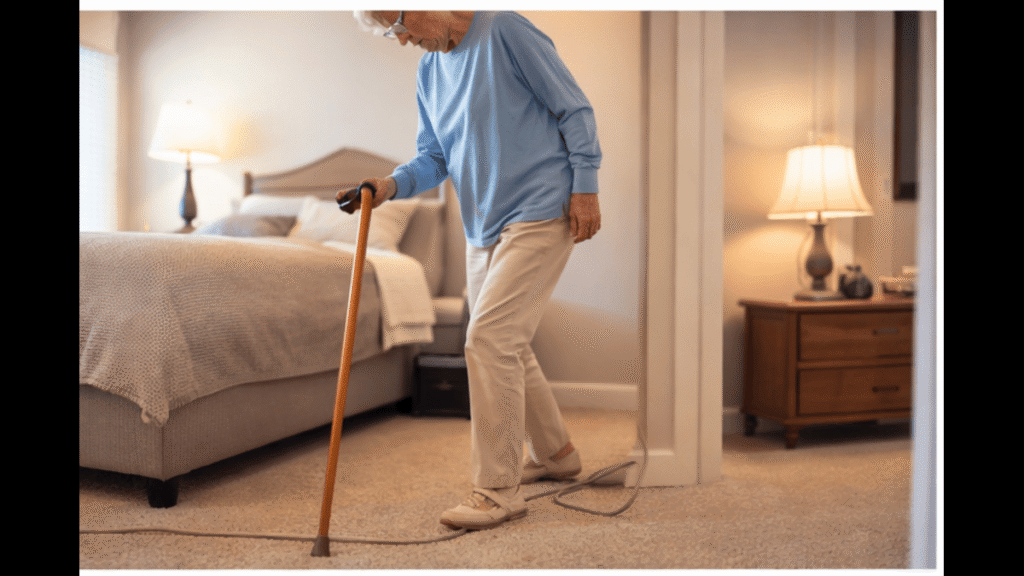
Why Seniors Are at Higher Risk of Falls
As people age, changes in balance, strength, and vision can increase fall risk. Slower reaction time and reduced muscle strength make it harder to recover from sudden slips.
Environmental factors inside the home also play a major role in fall risk.
Common Causes of Slips and Falls at Home
Some of the most common causes include:
- Wet or slippery floors
- Poor lighting
- Cluttered walkways
- Loose rugs or cords
- Lack of support in key areas
Identifying these hazards is the first step toward prevention.
Simple Home Adjustments That Reduce Fall Risk
Small changes can greatly improve safety:
- Keeping floors dry and clean
- Improving lighting in hallways and rooms
- Removing clutter from walking paths
- Securing loose rugs
- Wearing non-slip footwear indoors
These adjustments help create a safer living environment.
High-Risk Areas Seniors Should Watch Closely
Bedroom safety also require attention, especially for seniors living alone.
Bathroom Safety also require attention, especially for seniors living alone.
Certain areas of the home require extra attention, including:
- Bathrooms
- Stairways
- Bedrooms
- Entryways
Improving safety in these areas can significantly reduce fall risk.
The Role of Support and Stability at Home
Support features help seniors maintain balance while moving around. Stable surfaces and accessible support options make daily movement safer and reduce fear of falling.
How Caregivers Can Help Prevent Falls
Caregivers can assist by:
- Observing movement habits
- Identifying unsafe areas
- Encouraging safety improvements
- Supporting consistent routines
Caregiver involvement improves long-term safety.
Frequently Asked Questions
What is the most common cause of falls in seniors?
Slippery surfaces and poor lighting are among the most common causes.
Can small changes really reduce fall risk?
Yes, even minor adjustments can greatly reduce accidents.
Should seniors avoid walking alone at home?
With proper safety measures, many seniors can move safely on their own.
When should caregivers become concerned about falls?
Caregivers should act if falls become frequent or balance worsens.
Related home safety guides:
- How to Make a Bathroom Safety for Seniors
- Lighting Mistakes That Increase Fall Risk for Seniors
- Bedroom Safety Tips for Seniors Living Alone
Conclusion
Preventing slips and falls at home starts with awareness and simple safety changes. By reducing hazards and improving support, seniors can enjoy a safer and more confident living environment.
5 thoughts on “How to Prevent Slips and Falls at Home for Seniors”
Comments are closed.