
Rollator vs Standard Walker: Which Is Safer for Seniors?

Choosing between a rollator and a standard walker is a common decision seniors and caregivers face when mobility becomes challenging. While both options provide support, they function differently and offer varying levels of stability, control, and ease of movement. Understanding the differences helps seniors choose the safer option based on their specific needs. This guide … Read more

Walker Height Adjustment: Why It Matters for Senior Safety

Using a walker at the correct height is just as important as choosing the right type of walker. A poorly adjusted walker can cause discomfort, poor posture, and even increase the risk of falls. Proper walker height adjustment helps seniors move more safely, confidently, and comfortably both indoors and outdoors. This guide explains why walker … Read more

How to Choose the Right Walker for Indoor Use

Choosing the right walker for indoor use can make daily movement safer, easier, and more comfortable for seniors. Indoor spaces often have tighter layouts, furniture, and doorways, so not every walker is suitable for use inside the home. Understanding what features to look for helps seniors maintain independence while reducing the risk of falls. This … Read more

Lightweight Walkers Explained: Pros and Cons for Seniors
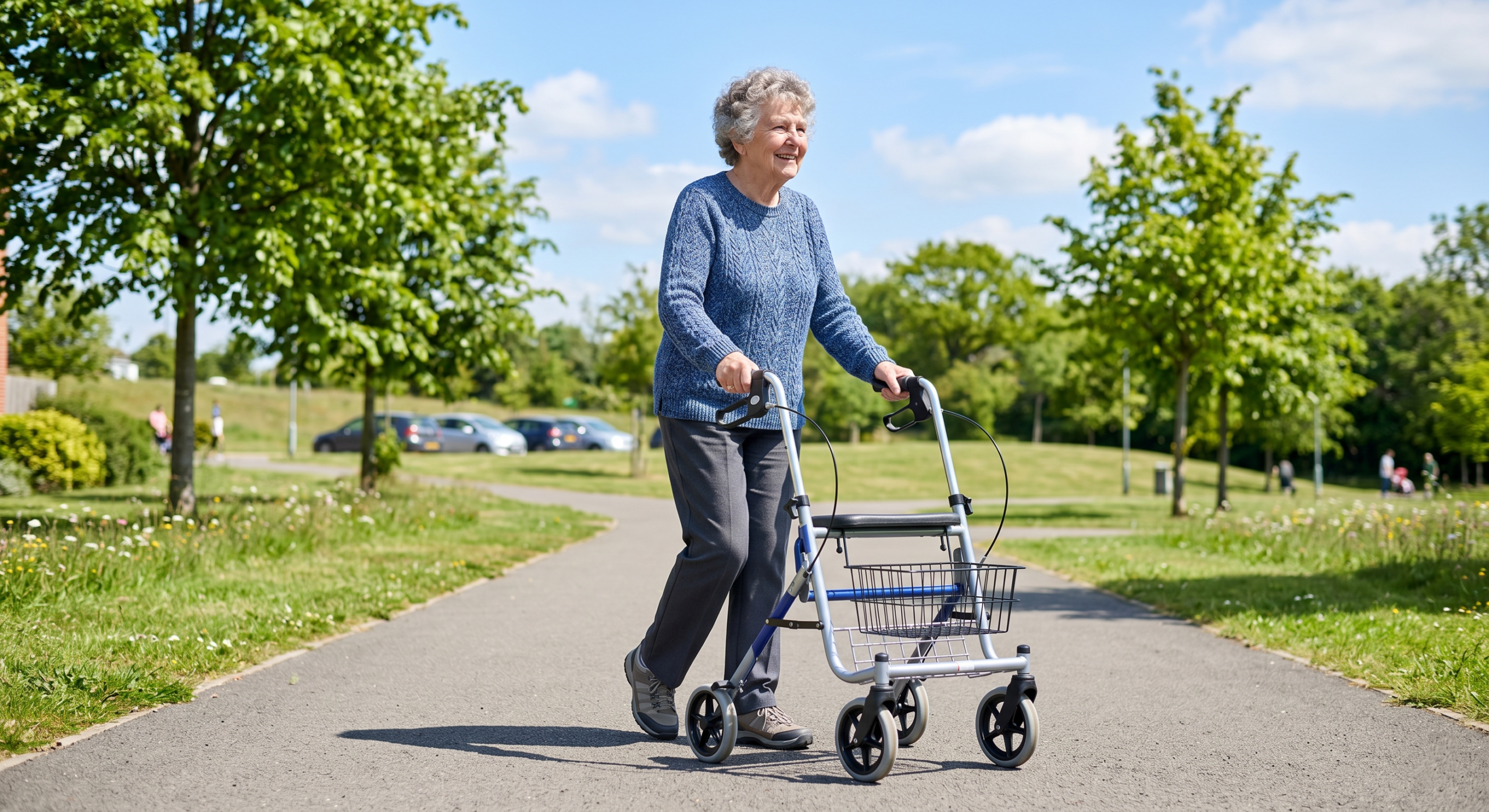
Senior woman walking outdoors with a lightweight rollator walker featuring a seat and storage basket, illustrating mobility support and independence for elderly users.

Lightweight walkers are a popular mobility aid for seniors who want support without bulky equipment. Designed for easier lifting and maneuvering, these walkers can improve confidence and independence when chosen correctly. Understanding their advantages and limitations helps seniors and caregivers decide whether a lightweight walker is suitable for daily use. What Is a Lightweight Walker? … Read more


When Should a Senior Start Using a Walker?

Caregiver helping an elderly man use a walker safely at home, illustrating when seniors may need a mobility aid for balance, stability, and fall prevention.

Deciding when to start using a walker is not always easy. Many seniors delay using mobility aids because they fear losing independence. However, using a walker at the right time can actually improve safety, confidence, and freedom of movement. Understanding the signs that indicate a walker may be helpful can prevent falls and injuries. Why … Read more

Cane vs Walker: Which Is Better for Seniors?

Senior woman comparing a cane and rollator walker in a home hallway, illustrating mobility aid options for balance, stability, and senior walking support.

Quick Answer: A walker is better than a cane for seniors with significant balance problems, weakness in both legs, or those recovering from surgery. A cane is appropriate for seniors with mild balance issues or one-sided weakness only. The key difference is support level — a walker provides full bilateral support while a cane provides … Read more

Types of Walkers for Seniors: How to Choose the Right One

Senior man using a standard walker safely inside the home while walking through a hallway, demonstrating indoor mobility support and fall prevention for elderly users.

Quick Answer: There are 8 types of walkers for seniors — standard walker, two-wheel walker, three-wheel walker, four-wheel rollator, upright walker, hemi walker, knee walker, and bariatric walker. The right type depends on the senior’s balance level, strength, and daily activity. This guide explains each type and helps you choose correctly. As people age, staying … Read more